Choosing the right approach to download files safely and efficiently starts with clear context, practical filters, and realistic expectations.
Introduction to Downloading Files
Downloading files from the internet is a routine activity for many of us. Whether it's a document, an image, a video, or a software application, downloading files is a necessary part of our online experience. However, it's essential to do so safely and efficiently to avoid potential risks and frustrations.
Understanding the Risks of Downloading Files
When you download a file from the internet, you're essentially bringing a piece of code into your device, which can potentially harm your system or compromise your personal data. Malware, viruses, and other types of cyber threats can be embedded in downloaded files, putting your device and your identity at risk. Moreover, downloading copyrighted or pirated content can lead to legal consequences.
Choosing the Right Download Manager
A reliable download manager can significantly enhance your downloading experience. It can help you download files faster, resume interrupted downloads, and even protect you from malware. Some popular download managers include:
- Internet Download Manager (IDM)
- Download Accelerator Plus (DAP)
- FlashGet
- Free Download Manager (FDM)
- EagleGet
File Sharing and Cloud Storage Options
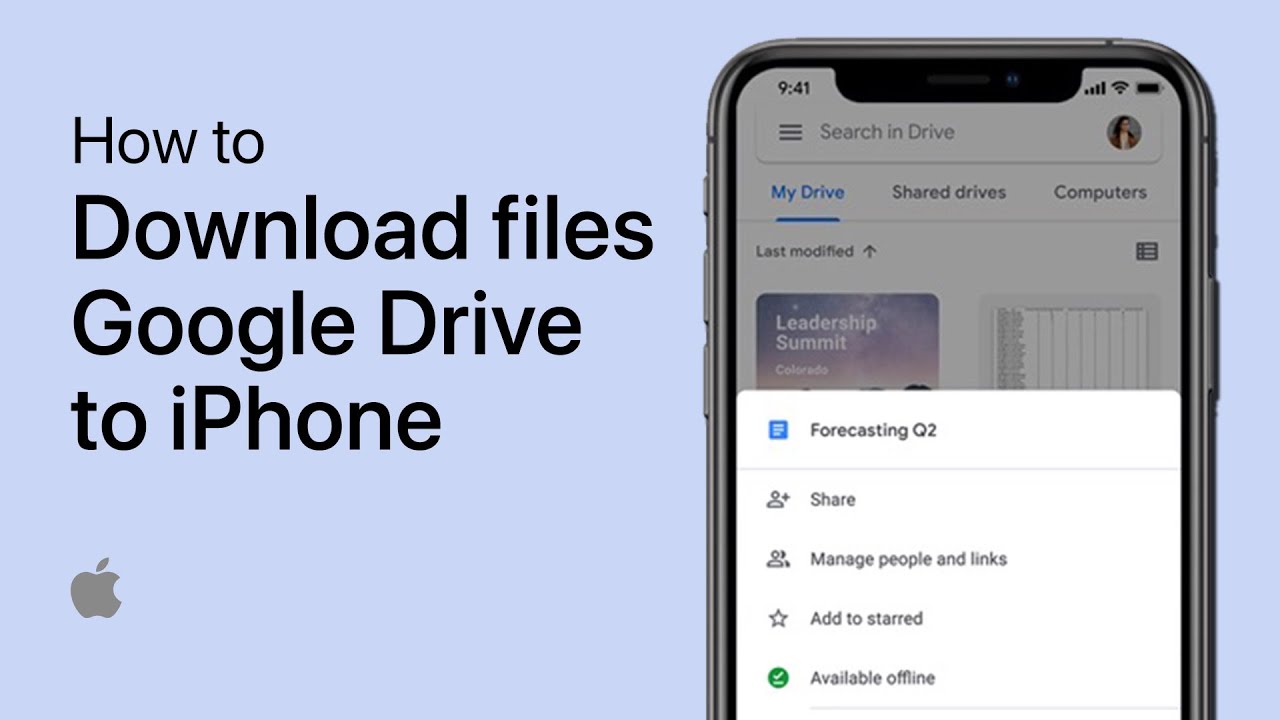
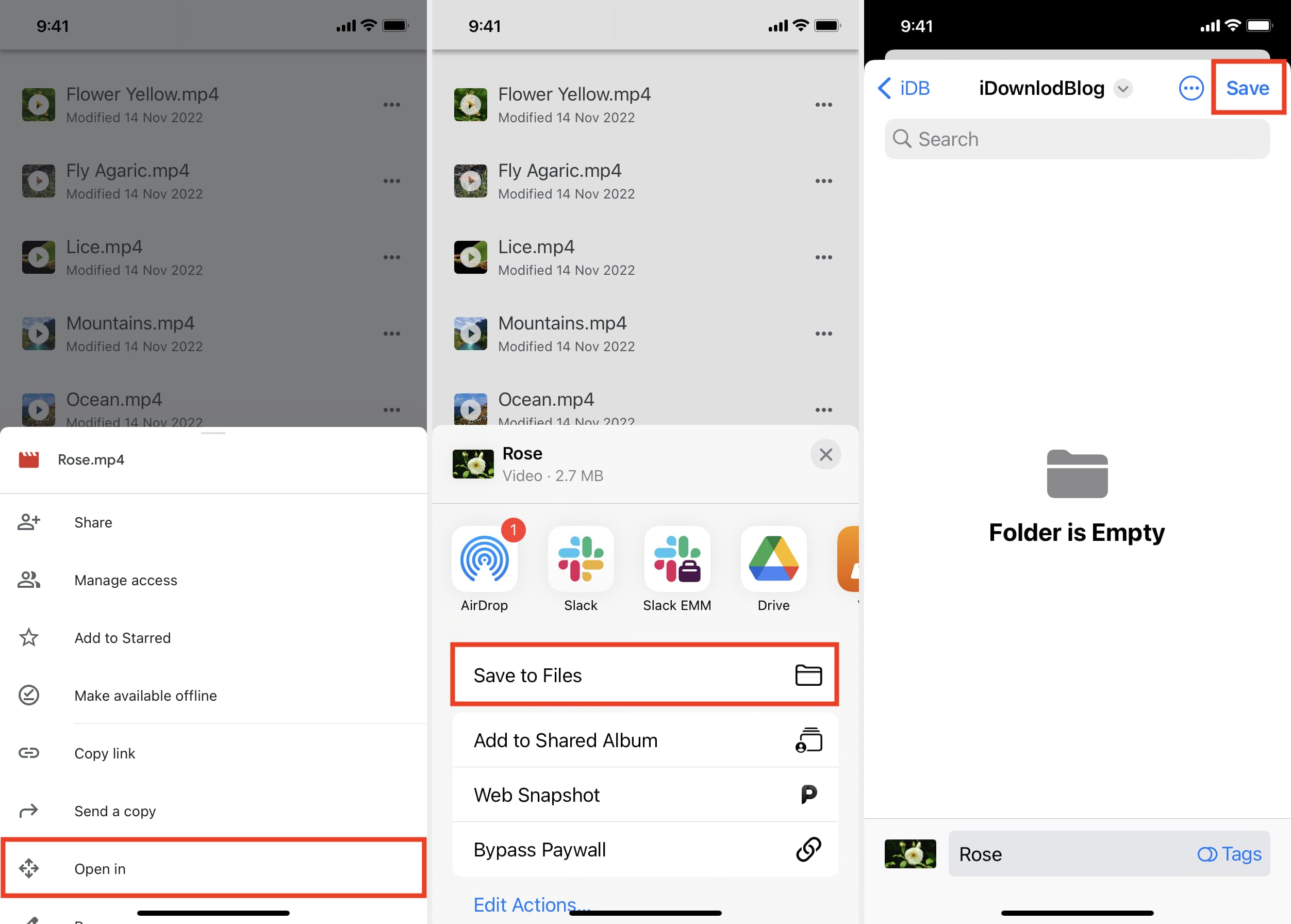
Cloud storage services like Google Drive, Dropbox, and OneDrive have made it easy to share and download files. These services provide a secure and convenient way to store and access your files from anywhere. You can also use file-sharing platforms like WeTransfer or pCloud to share large files with others.
Benefits of Cloud Storage
Cloud storage offers several benefits, including:
- Convenience: Access your files from anywhere, on any device
- Security: Your files are encrypted and protected from unauthorized access
- Collaboration: Share files with others and collaborate in real-time
- Backup: Automatically backup your files to prevent data loss
Downloading Files from Untrusted Sources

When downloading files from untrusted sources, it's crucial to exercise caution. Be wary of websites with suspicious domains, poor grammar, or excessive advertising. Always verify the authenticity of the file and the website before downloading. Look for reviews, ratings, and feedback from other users to ensure that the file is safe and legitimate.
Common Mistakes to Avoid When Downloading Files Here are some common mistakes to avoid when downloading files:
- Downloading files from untrusted sources
- Not verifying the file's authenticity
- Not using a reliable download manager
- Not keeping your antivirus software up-to-date
- Not being cautious when downloading executable files
Best Practices for Downloading Files To download files safely and efficiently, follow
these
best practices:
- Use a reputable download manager
- Verify the authenticity of the file and the website
- Keep your antivirus software up-to-date
- Avoid downloading files from untrusted sources
- Be cautious when downloading executable files
Conclusion
Downloading files is a necessary part of our online experience, but it's essential to do so safely and efficiently.
By choosing the right download manager, using cloud storage options, and following best practices, you can minimize the risks associated with downloading files and ensure a smooth and secure experience.